
“Baby, What You Want Me to Do”: the blues spark that ignited Elvis’ 1968 comeback
Introduction: a key song in a decisive year
“Baby, What You Want Me to Do” holds a special place in the catalogue of Elvis Presley, not because it was promoted as a major single, but because it symbolized his reconnection with the music that shaped him. In 1968, Elvis was undergoing a major artistic redefinition, leaving behind years focused almost exclusively on film work.
The song was officially released on November 21, 1968, just a few months after being recorded on June 26, 1968, during a period marked by a search for a more honest and direct sound. At this stage, Elvis returned to the blues, rhythm & blues, and early rock that had defined his beginnings at Sun Records.
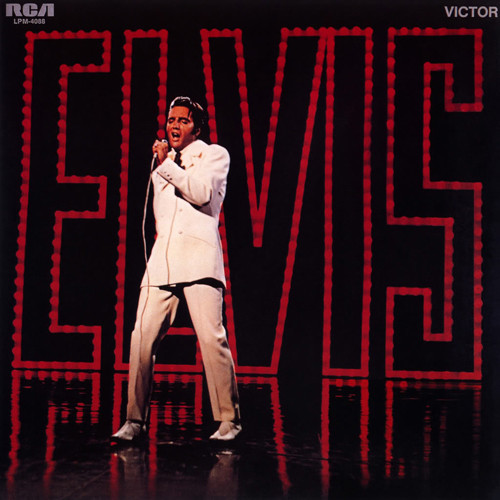
This track became one of the clearest representations of his artistic maturity: straightforward, unembellished, and full of energy. Its inclusion in projects connected to his televised comeback helped solidify the image of an authentic, visceral Elvis, fully reconnected with his musical essence.
Origins of the song: from classic blues to rock and roll
“Baby, What You Want Me to Do” was written by Jimmy Reed, one of the most influential figures in Chicago electric blues. The song had already gained popularity years earlier within the blues circuit, noted for its simple structure and strong rhythmic drive.
Elvis had always held deep admiration for African American blues and rhythm & blues musicians. From the very beginning of his career, he absorbed that musical language into his own style, and this song represented a direct link to that tradition, free from commercial filters or orchestral arrangements.
By choosing this song, Elvis was not attempting to reinvent it, but rather to respect its essence. His version does not aim to refine the blues, but to intensify it through the power of his voice and stage presence, proving that he still deeply understood and felt that musical language.
The June 26, 1968 recording
The recording of “Baby, What You Want Me to Do” took place on June 26, 1968, during the sessions connected to the project that would culminate in the historic television comeback special. These sessions were characterized by an intimate, almost live approach, far removed from the heavily produced recordings of previous years.
Elvis recorded the song with a stripped-down band, prioritizing interaction between musicians and spontaneity. This working method allowed the raw energy of a live performance to be captured, something clearly felt throughout the vocal delivery.
Elvis’ voice in this recording sounds confident, flexible, and deeply expressive. There are no gimmicks: every inflection, pause, and rhythmic accent reinforces the blues character of the song, showcasing an artist fully aware of his interpretive power.
Vocal performance and musical style
In “Baby, What You Want Me to Do,” Elvis adopts a relaxed yet intense vocal register, demonstrating complete command of blues phrasing. His way of stretching syllables and playing with rhythm creates a constant sense of dialogue with the band.
Musically, the song is built on a repetitive rhythmic pattern that serves as a foundation for vocal improvisation. Elvis uses this structure to emphasize emotion rather than technical perfection, directly connecting with the blues tradition.
The result is a performance that feels timeless. Although recorded in 1968, it retains the freshness of a spontaneous jam session, reinforcing the idea that Elvis was not only a rock icon, but also a deeply rooted interpreter of American blues music.
Release and historical context of 1968
The release of the song on November 21, 1968, coincided with one of the most important moments in Elvis’ career. That year marked his triumphant return to live performance and television after a long period dominated by films and soundtrack work.
1968 was also a year of major social and cultural change, and Elvis’ return with a rawer, more honest sound fit perfectly into that atmosphere of transformation. “Baby, What You Want Me to Do” represented authenticity at a time when audiences were craving artistic truth.
Although it was not conceived as a major commercial hit, the song gained enormous symbolic value. Its release reinforced the comeback narrative and helped reposition Elvis as a relevant and contemporary artist once again.
Legacy and place within Elvis’ catalogue
Over time, “Baby, What You Want Me to Do” has become firmly established as one of Elvis Presley’s most representative blues performances. It is a key piece for understanding his artistic evolution and his respect for musical roots.
The song is frequently cited by critics and fans as an example of Elvis at his most authentic: direct, visceral, and free from commercial pressure. Its performance demonstrates that even in a later stage of his career, he remained a powerful and credible interpreter.
Today, this track is essential in any serious analysis of Elvis’ musical legacy. It not only showcases his vocal talent, but also his artistic courage in looking back in order to move forward, reaffirming his place as one of the most influential figures in 20th-century popular music.
Access all of Elvis Presley’s songs at the following link: https://elvisradio24h.com/category/elvis-songs/