
“A light-hearted song recorded in March 1961 for the iconic Hawaiian soundtrack”
Introduction
“Almost Always True” is one of the charming tracks featured in Blue Hawaii (1961), one of Elvis Presley’s most beloved films. With its playful tone and light tropical flavor, the song blends pop, mild rock elements, and Hawaiian atmosphere, showcasing a softer, more humorous side of Elvis.
Origins, Recording and Release
- The song was written by Fred Wise and Ben Weisman, two frequent contributors to Elvis’s musical catalog.
- It was recorded at Radio Recorders studios in Hollywood, California. Documentation of the Blue Hawaii sessions places the recording around March 21–22, 1961.
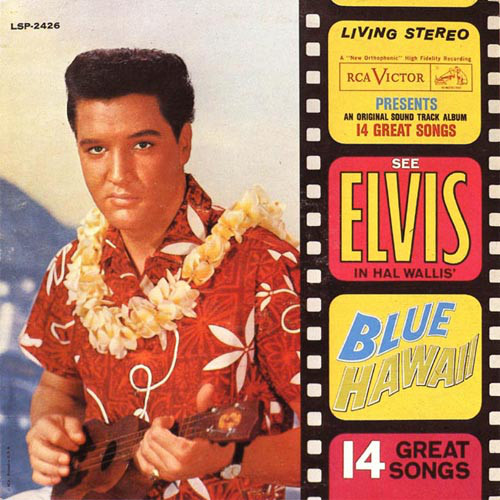
- The track was released later that year as part of the Blue Hawaii soundtrack album on October 20, 1961. While not issued as a major single, it remains a recognizable part of the film’s musical identity.
Lyrics and Meaning
“Almost Always True” takes on a humorous, mischievous tone. Elvis’s character admits that he has been loyal “almost always,” playfully acknowledging the distractions that sometimes test him.
The song’s message is not about perfect romantic devotion; instead, it highlights human imperfection with a wink. Within the context of the film, Elvis sings in a carefree vacation environment, addressing temptations and flirtations with a sense of fun rather than drama.
Musical Style and Instrumentation
Musically, the song blends upbeat pop with Hawaiian accents. The Blue Hawaii soundtrack employed a rich set of studio musicians, including:
- Guitars: Hank Garland, Scotty Moore, Tiny Timbrell
- Bass: Bob Moore
- Drums: D.J. Fontana, Hal Blaine, Bernie Mattinson
- Piano/Celesta: Floyd Cramer, Dudley Brooks
- Saxophone: Boots Randolph
- Steel guitar: Alvino Rey
- Ukulele: Fred Tavares, Bernie Lewis
- Backing vocals: The Jordanaires and The Surfers
The result is a breezy, melodic track that reinforces the tropical setting of the movie. Interestingly, the melody of “Almost Always True” is said to draw inspiration from the traditional folk song “Alouette,” adding a subtle layer of familiarity beneath its Hawaiian styling.
Context Within Blue Hawaii
Blue Hawaii marked a significant turning point in Elvis’s film career, solidifying the formula of light romantic comedies with musical interludes and exotic settings.
“Almost Always True” serves several purposes within the film:
- It enhances the laid-back island atmosphere.
- It showcases Elvis in a relaxed, humorous persona.
- It adds musical variety to the soundtrack, balancing ballads with more upbeat material.
The success of Blue Hawaii owes much to its soundtrack, which became one of the best-selling albums of Elvis’s career.
Legacy and Reception
Although “Almost Always True” was never a chart-topping single, it gained affection among fans as a “hidden gem” within a hugely successful soundtrack. The Blue Hawaii album itself spent an extraordinary amount of time at the top of the charts, cementing its place as one of the most iconic soundtrack albums of the 1960s.
The song continues to be appreciated for its warmth, humor, and its ability to evoke the unmistakable charm of Elvis during this phase of his career.
Curiosities
- Its melody bears resemblance to the folk tune “Alouette,” giving it a subtly familiar feel.
- The sessions included a wide range of instrumentation—ukuleles, steel guitar, and lush backing vocals—to emulate authentic Hawaiian ambiance.
- The recording date is occasionally listed differently depending on available studio logs, though March 21–22, 1961 is the accepted timeframe.
Why “Almost Always True” Matters
- It reveals Elvis’s versatility beyond rock ’n’ roll, showing him as an entertainer capable of adapting to different musical styles and cinematic roles.
- It contributes to the joyful, escapist mood that made Blue Hawaii a cultural phenomenon.
- It remains a delightful example of Presley’s playful charisma and vocal charm.
Conclusion
“Almost Always True” may not be the best-known Elvis Presley song, but it holds a special place in the Blue Hawaii soundtrack. Its lighthearted lyrics, tropical instrumentation, and warm performance capture Elvis at his most relaxed and charismatic. For any Elvis-focused website, this song is a wonderful opportunity to explore the richness and diversity of his early-1960s soundtrack era.
Access all of Elvis Presley’s songs at the following link: https://elvisradio24h.com/category/elvis-songs/
The best way to thank us is by sharing this article.