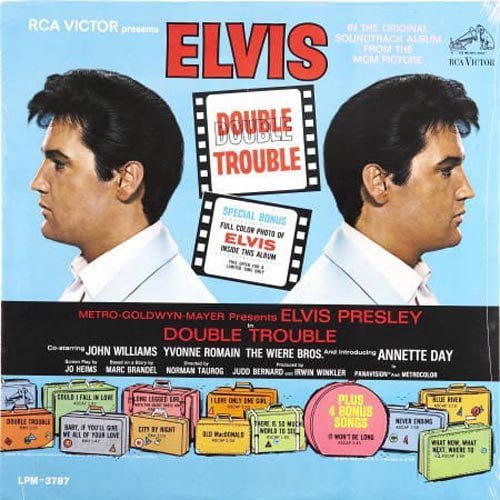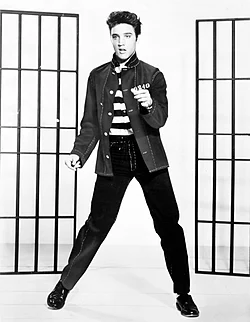

“The double-sided hit that showcased two of Elvis’ most iconic styles”
Elvis Presley and the Single “Don’t / I Beg of You”: A Key Release of 1958
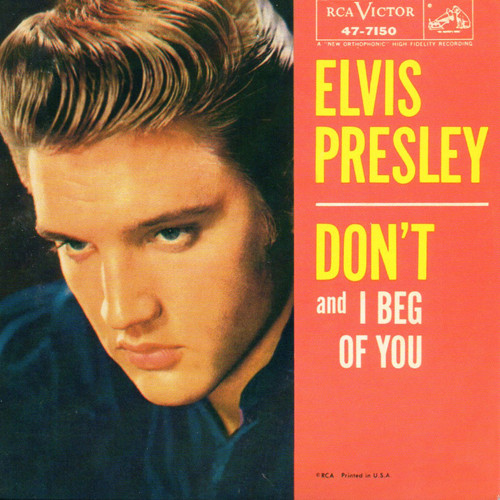
On January 6, 1958, RCA Victor issued in the United States the single RCA 47-7150, a double A-side featuring “Don’t” and “I Beg of You.” Recorded during one of the most intense and successful periods of Elvis Presley’s career, this release not only cemented his chart dominance but also showcased the vocal maturity he was developing just before entering military service.
Below is the full, SEO-optimized article for your Elvis Presley website, free of external links and designed for high-quality content presentation.
1. Historical Context of the Release
By early 1958, Elvis Presley was the most influential entertainer on the planet. He had already starred in several box-office hits, topped sales charts in 1956 and 1957, and maintained unprecedented popularity. Yet, his upcoming military draft added a sense of urgency and emotion to every new release.
The single “Don’t / I Beg of You” emerged as one of the last major commercial pushes before his forced hiatus. RCA heavily promoted it to ensure Elvis continued dominating the charts even during his absence.
2. “Don’t”: A Sophisticated and Intense Ballad
Songwriters: Jerry Leiber & Mike Stoller
Recording Date: September 6, 1957
Studio: Radio Recorders, Hollywood
Producer: Steve Sholes
“Don’t” stands among Elvis’ finest slow ballads of the 1950s. Although Leiber and Stoller were known for upbeat rock-oriented material, here they delivered a soft, intimate, and emotionally rich composition that perfectly suited Elvis’ warm, controlled vocal style.
Musical Features of “Don’t”
- Close, delicate vocal delivery.
- Simple arrangement: soft guitar, upright bass, subtle percussion.
- A mature performance anticipating his early 1960s sound.
Chart Success
“Don’t” was the driving force behind the single’s success, reaching #1 on the Billboard Hot 100, becoming one of Elvis’ most cherished romantic hits.
3. “I Beg of You”: Classic Rock Energy
Songwriters: Rose Marie McCoy & Kelly Owens
Recording Date: January 24, 1957
Studio: Radio Recorders, Hollywood
Recorded months earlier, “I Beg of You” captures the youthful energy of Elvis’ 1956–1957 sound: steady rhythm, dynamic vocal phrasing, and the classic RCA rock and roll style.
Key Musical Elements
- Rock-pop rhythm with R&B flavor.
- Vibrant and powerful vocal performance.
- Production style matching Elvis’ early RCA hits.
Chart Performance
“I Beg of You” reached #8 in the U.S. charts, an excellent result for a so-called “B-side.”
4. Musicians and Technical Personnel
Elvis’ Regular Session Group
- Scotty Moore – electric guitar
- Bill Black – upright bass
- D.J. Fontana – drums
- Gordon Stoker & The Jordanaires – backing vocals
- Dudley Brooks – piano (various takes)
The Radio Recorders sessions were known for their warm, clean sound, ideal for RCA’s commercial needs.
5. Release Details of RCA 47-7150
- Format: 45 rpm single
- Release Date: January 6, 1958
- Cover Art: RCA issue featuring a close-up black-and-white photograph of Elvis
- Distribution: United States, later released internationally
Important Notes
- One of Elvis’ best-selling singles of 1958
- Promoted throughout the months leading up to his military enlistment
- Strengthened Leiber and Stoller’s relevance as key contributors to Elvis’ music
6. Impact and Legacy
This single highlights two essential sides of Elvis:
- The romantic Elvis — intimate and emotional in “Don’t.”
- The energetic Elvis — lively and youthful in “I Beg of You.”
The contrast broadened its audience appeal. Additionally:
- “Don’t” became one of his most beloved ballads.
- Both songs continued appearing on compilations for decades.
- The single kept Elvis at the top of the industry as his military service approached.
Historically, RCA 47-7150 marks the closing chapter of Elvis’ golden 1950s era before his unexpected break from civilian life.
Conclusion
The single “Don’t / I Beg of You” (RCA 47-7150) remains a cornerstone of Elvis Presley’s 1950s discography. Combining two contrasting styles — emotional depth and vibrant rock energy — it reflects the immense artistic range that helped define Elvis as the King of Rock ’n’ Roll. Released at the height of his popularity in January 1958, it stands as one of the last great achievements before his military interruption.
Explore our complete Elvis discography with detailed sheets, galleries, and analysis. View discography